


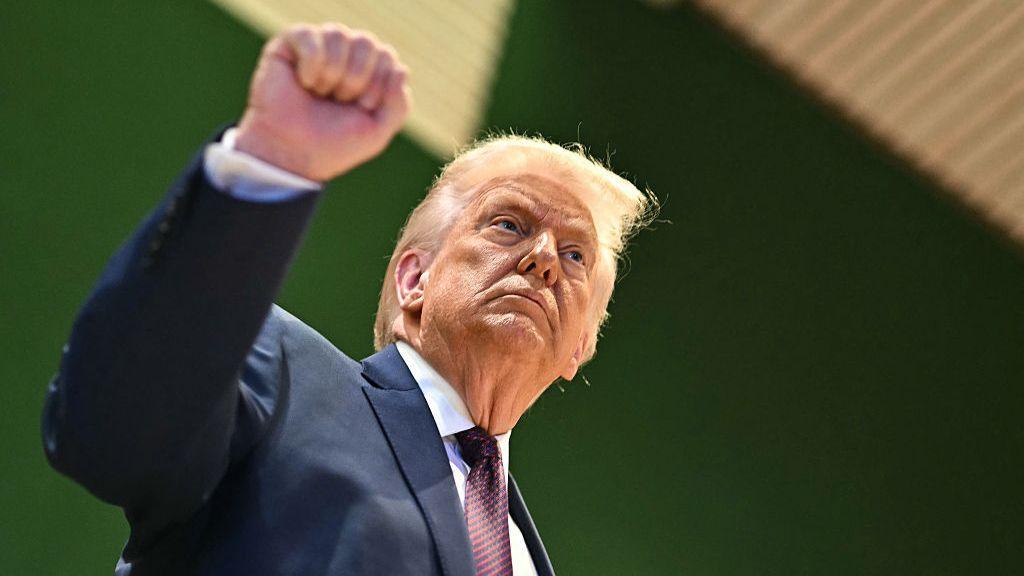
Latest Trump Greenland Headlines. In 2026, Greenland has unexpectedly become a focal point of international headlines due to renewed interest from U.S. President Donald Trump.
What began as speculation and rhetoric has evolved into a geopolitical standoff involving the United States, Denmark, Greenland’s own people, NATO, and broader global powers like China and Russia. These developments are shaping not just Arctic policy but also transatlantic relations, trade dynamics, and sovereignty debates.
Here’s a clear, detailed, and up‑to‑date overview of what’s happening — the causes, reactions, and latest headlines around the Trump–Greenland situation in 2026 — designed to be SEO‑friendly, easy to understand, and thorough.
Background: Why Greenland Is Suddenly in the Spotlight
Greenland is a vast Arctic island of strategic importance. It’s a semi‑autonomous territory of Denmark, rich in strategic location and natural resources. Its position near potential Arctic sea routes and proximity to Russia and North America makes it significant for defense and trade in a warming world.
In early 2026, President Trump reignited international attention by publicly pushing for negotiations to acquire Greenland — an idea with historical echoes from 2019 but now resurfacing more dramatically during his second term. This pursuit has ignited diplomatic tensions, protests, and intense media coverage.
Trump’s 2026 Push: Negotiations, Security, and Strategy
At the World Economic Forum in Davos, Trump made bold statements about Greenland’s importance to U.S. national security. He characterized Greenland as vital for defense, especially against what he describes as Russian and Chinese influence in the Arctic. Trump has formally called for “immediate negotiations” with Denmark and NATO allies about the future of Greenland — though he insists he won’t use military force to take control.
Trump’s framing emphasizes the strategic necessity of Greenland for global security and has been used to justify his position that the United States should play a more direct role in governing or accessing the island. He downplays economic motivations like mineral extraction — denying that rare earths or deposits are the main driver — and insists security is the core concern.
To reduce tensions, he backed away from proposed tariffs on European countries opposing his stance after discussions with NATO leadership, suggesting a future “framework” for cooperation that includes increased commitment to Greenland’s defense and involvement in NATO Arctic policy.
Diplomatic Reactions: Europe, NATO, and Transatlantic Ties
Europe’s reaction has been a mixture of firm resistance and cautious diplomacy:
- Denmark and Greenland firmly reject any notion of ceding sovereignty — both governments and Greenland’s prime minister have stated sovereignty is non‑negotiable.
- European leaders, including Denmark’s Lars Løkke Rasmussen, welcomed Trump’s decision to put tariffs on hold and emphasized the need for respectful negotiation that upholds international law and Danish territorial rights.
- NATO’s Secretary General Mark Rutte has been credited with helping defuse the crisis through personal diplomacy, steering the alliance toward a cooperative Arctic security framework while respecting member states’ positions.
Former Danish Foreign Minister Jeppe Kofod said Europe must “play the power game” with the U.S. in responding to Trump’s Greenland efforts, indicating that European actors see the issue as a broader test of post‑Cold War diplomatic order.

Local Response: Protest, Identity, and Sovereignty
Greenland’s own people have rejected Trump’s ambitions outright:
- Thousands marched in Nuuk, Greenland’s capital, protesting Trump’s statements and asserting “Greenland is not for sale.” The demonstrations were among the largest in the territory’s history, with broad participation from local leaders, residents of all ages, and even solidarity events in Denmark and Canada.
- Beyond organized protests, there’s widespread unease among Greenlanders. Many feel mentally exhausted and alarmed by external pressure, even after Trump publicly said he won’t use force. Critics emphasize that any negotiation must respect Greenland’s right to self‑determination and cultural identity.
These reactions reflect deep concerns about foreign influence and erasure of local autonomy, reinforcing that Greenland’s residents prioritize partnership and respect for their self‑government over geopolitical maneuvering.
Geopolitical Ripples: Russia, China, and the Arctic
Trump’s renewed focus on Greenland hasn’t gone unnoticed by other global powers:
- Russian officials and media have reacted with a mix of glee and caution, seeing U.S.–European tensions over Greenland as an opportunity but also recognizing the Arctic’s strategic complexity.
- China, while not threatening military action, has been expanding its Arctic presence through research, commercial ventures, and infrastructure engagement. Trump and U.S. officials cite China’s Arctic interest as part of the rationale for bolstering U.S. engagement, even though Beijing formally denies aggressive intentions.
This dynamic underlines that Greenland sits at the intersection of Arctic geopolitics, where competition over sea routes, defense, and natural resources is intensifying as climate change opens up new access.
Economic and Market Impact
The Greenland headlines haven’t just influenced diplomacy — financial markets have reacted too:
- When Trump backed off from threatened tariffs related to Greenland, cryptocurrencies like Bitcoin and Ether initially fluctuated before stabilizing, reflecting how macro political risk can ripple into digital asset markets.
Investors have been watching closely for any signals of instability or conflict escalation that could affect commodities and geopolitical risk sentiment.
Trump’s Messaging and Public Perception
Trump’s messaging around Greenland has combined assertiveness with caveats:
- He has repeatedly asserted that the U.S. needs Greenland for security, claiming NATO and its members haven’t fairly shared defense burdens.
- He publicly acknowledged at Davos that he will not use force to take Greenland — clarifying that the U.S. seeks negotiations rather than coercion.
Despite this, portions of the public debate — particularly on social platforms — show skepticism about Trump’s intentions and the feasibility of his goals, with many pointing out Greenland’s strong desire to remain Danish and autonomous.
Historical Context and Missteps
Some coverage has explored misconceptions about past U.S.–Greenland relations. For instance, although the U.S. provided defense support during World War II by protecting Greenland from Axis threats, Greenland was never formally part of American territory — a fact occasionally omitted in political rhetoric.
Historic misstatements have fueled criticism that Trump’s narrative oversimplifies complex history for political effect.
What Happens Next?
As of early 2026, several potential trajectories are being discussed:
- Diplomatic Frameworks: The U.S. and NATO are working on a joint framework for Arctic security that could enhance American and allied presence in Greenland without changing its sovereignty.
- Continued Negotiations: Trump continues pressing for negotiations with Denmark and Greenland, though exact terms and outcomes remain unclear.
- Local Resistance and Engagement: Greenlanders and Danish leaders emphasize respect for international law and self‑determination, shaping how any discussions proceed.
Given the diplomatic pushback, public protests, and international reactions, 2026 is shaping up to be a defining year for Arctic geopolitics and transatlantic relations.
Final Thoughts
The Greenland question in 2026 isn’t just a quirky geopolitical headline. It illustrates how territory, security, and sovereignty collide in a changing world, where climate realities and global power competition are making once‑remote regions central to strategic planning.
President Trump’s renewed interest in Greenland — balanced by promises not to use force and accompanied by negotiations with NATO — has sparked resistance from local populations, firm diplomatic stances from Denmark and Europe, and watchful eyes from global powers like Russia and China. The issue will likely remain prominent in international discourse, with implications that reach beyond the Arctic.
More Stories
Business News: The Surprising Trend Shaking Up Markets Now
Market Insights Unveiled: Navigating Trends Before They Trend
Future-Proofing Business: Innovation and Adaptation in a Rapidly Changing Economy