


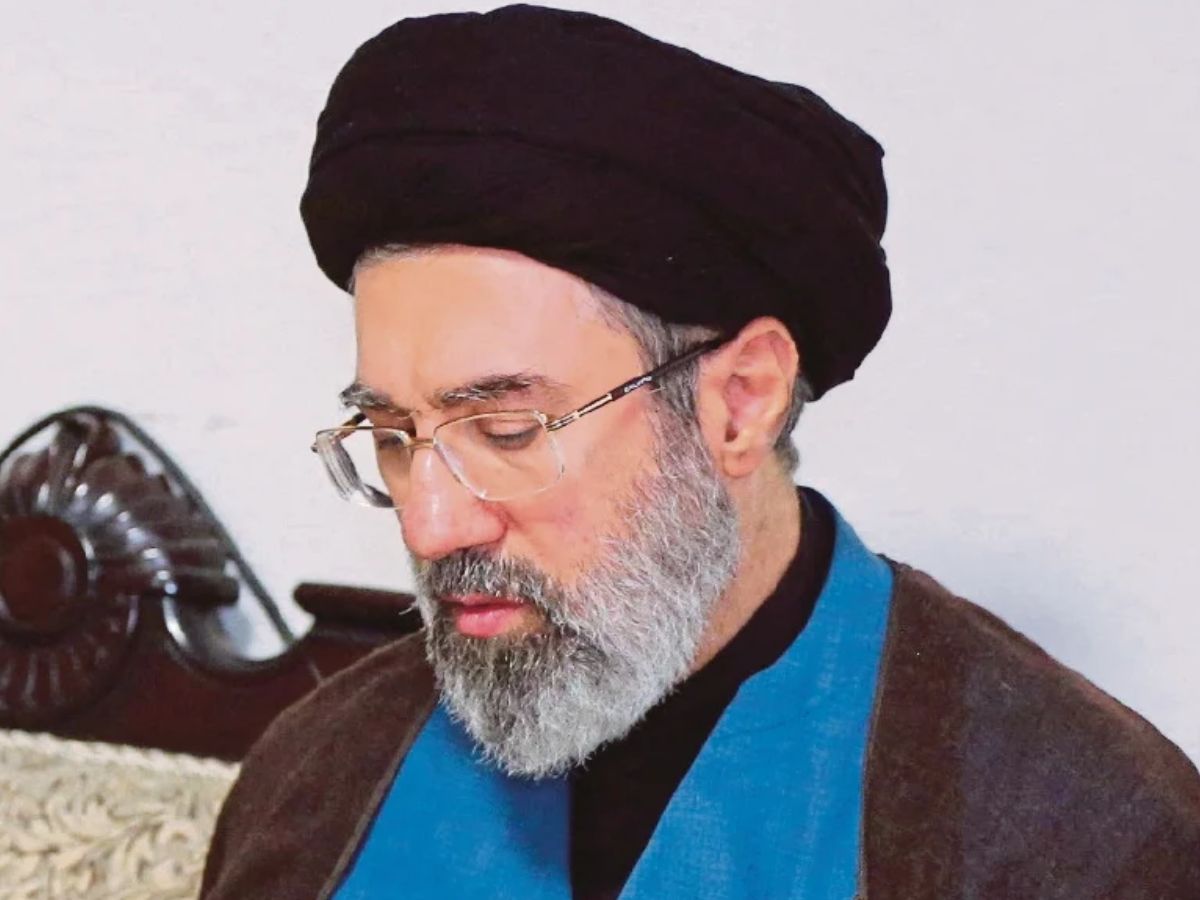
Iran’s Next Supreme Leader. The geopolitical landscape of the Middle East shifted on its axis on February 28, 2026.
Following the confirmed death of Supreme Leader Ayatollah Ali Khamenei in a coordinated strike on Tehran, the Islamic Republic has been thrust into its most volatile transition since 1989.
As of March 3, 2026, the focus has narrowed to a high-stakes duel for the soul of the regime. On one side stands Mojtaba Khamenei, the influential son of the late leader; on the other, Ayatollah Alireza Arafi, the newly appointed member of the Interim Leadership Council.
This is more than a leadership change; it is a battle between the continuity of a political dynasty and the preservation of the clerical institution.
1. The Context: A Republic Without a Head
Following the death of Khamenei, Iran’s Article 111 was immediately invoked. A temporary council—consisting of President Masoud Pezeshkian, Chief Justice Mohseni-Ejei, and Alireza Arafi—now manages the state. However, the Assembly of Experts, an 88-member body of clerics, is working under intense pressure to name a permanent successor within weeks, if not days.
2. Mojtaba Khamenei: The “Shadow” Candidate
At 56 years old, Mojtaba Khamenei is often described as the most powerful man in Iran who has never held a formal office. His candidacy is the ultimate test of the “Khameneist” system.
The Case for Mojtaba:
- The IRGC Connection: Mojtaba is believed to have deep, personal ties with the top brass of the Islamic Revolutionary Guard Corps (IRGC) and the Basij militia. In a time of war with the U.S. and Israel, the military establishment may favor a “known quantity” who ensures their continued dominance.
- The Intelligence Network: Over the last decade, Mojtaba reportedly took over his father’s “Office of the Leader,” giving him control over the regime’s vast financial and intelligence apparatus.
- The Continuity Play: Supporters argue he is the only one who can keep the “Axis of Resistance” united across Lebanon, Iraq, and Yemen.
The Obstacles:
- The “Monarchy” Taboo: The 1979 Revolution was built on the rejection of hereditary rule (the Shah). Appointing the leader’s son would be a symbolic betrayal that many senior clerics in Qom find religiously and politically repulsive.
+1 - Clerical Rank: While Mojtaba is a mid-ranking cleric, he lacks the “Grand Ayatollah” status traditionally expected for a Supreme Leader, though his supporters have recently begun referring to him as an Ayatollah to bridge this gap.
3. Alireza Arafi: The Institutionalist
Ayatollah Alireza Arafi, 67, has emerged as the “establishment” alternative. His rise in early 2026 has been meteoric, transitioning from a scholarly figure to a central pillar of the interim government.
The Case for Arafi:
- Institutional Leverage: Arafi holds seats on the Guardian Council and the Assembly of Experts, and he leads Iran’s entire seminary system. He is the ultimate “system” man.
- Modernist Hardliner: Arafi is uniquely tech-savvy for a high-ranking cleric. He has publicly advocated for the integration of Artificial Intelligence and modern technology into Islamic governance, making him an attractive choice for a regime trying to survive in a high-tech 2026.
- Diplomatic Fluency: Fluent in Arabic and English, Arafi is viewed as a leader who could potentially navigate the diplomatic minefield of the post-Khamenei era better than the more insular Mojtaba.
The Obstacles:
- Lack of a Power Base: Unlike Mojtaba, Arafi does not have a private paramilitary or a vast network of personal loyalists. He is a creature of the bureaucracy, making him vulnerable if the IRGC decides to sideline the clergy.
4. The Rivalry: Security vs. Sanctity
The choice between Mojtaba and Arafi represents two different paths for the Islamic Republic:
- The Securitized State (Mojtaba): A transition to Mojtaba would likely signal a move toward a more military-centric government, where the IRGC holds the true power and the Supreme Leader acts as their ideological figurehead.
- The Bureaucratic Clerisy (Arafi): A win for Arafi would represent an attempt to return to the institutional roots of the 1979 Revolution, prioritizing the hierarchy of the Qom seminaries over the personal influence of the Khamenei family.
5. The Wild Card: External and Internal Pressure
As of March 2026, both candidates face an unprecedented environment:
- U.S.-Israeli Pressure: With “Operation Epic Fury” ongoing, the selection of a new leader is happening in bunkers. Any candidate seen as too aggressive might face further direct targeting.
- Civil Unrest: The “Joy and Disbelief” in the streets of Tehran following the news of Khamenei’s death suggests that the Iranian people are in no mood for more of the same. A controversial appointment could trigger a domestic explosion that neither candidate is prepared to handle.
6. Conclusion: A Republic at a Crossroads
The Assembly of Experts is reportedly divided. Rumors suggest a third option—a “Leadership Council” instead of a single leader—is being discussed to avoid a civil war between the Mojtaba and Arafi factions.
However, in the volatile spring of 2026, “stability” is a luxury Tehran may not have. Whether the “Prince” or the “Professor” takes the throne, the person who leads Iran next will inherit a nation at war with the world and itself.
More Stories
Business News: The Surprising Trend Shaking Up Markets Now
Market Insights Unveiled: Navigating Trends Before They Trend
Future-Proofing Business: Innovation and Adaptation in a Rapidly Changing Economy