


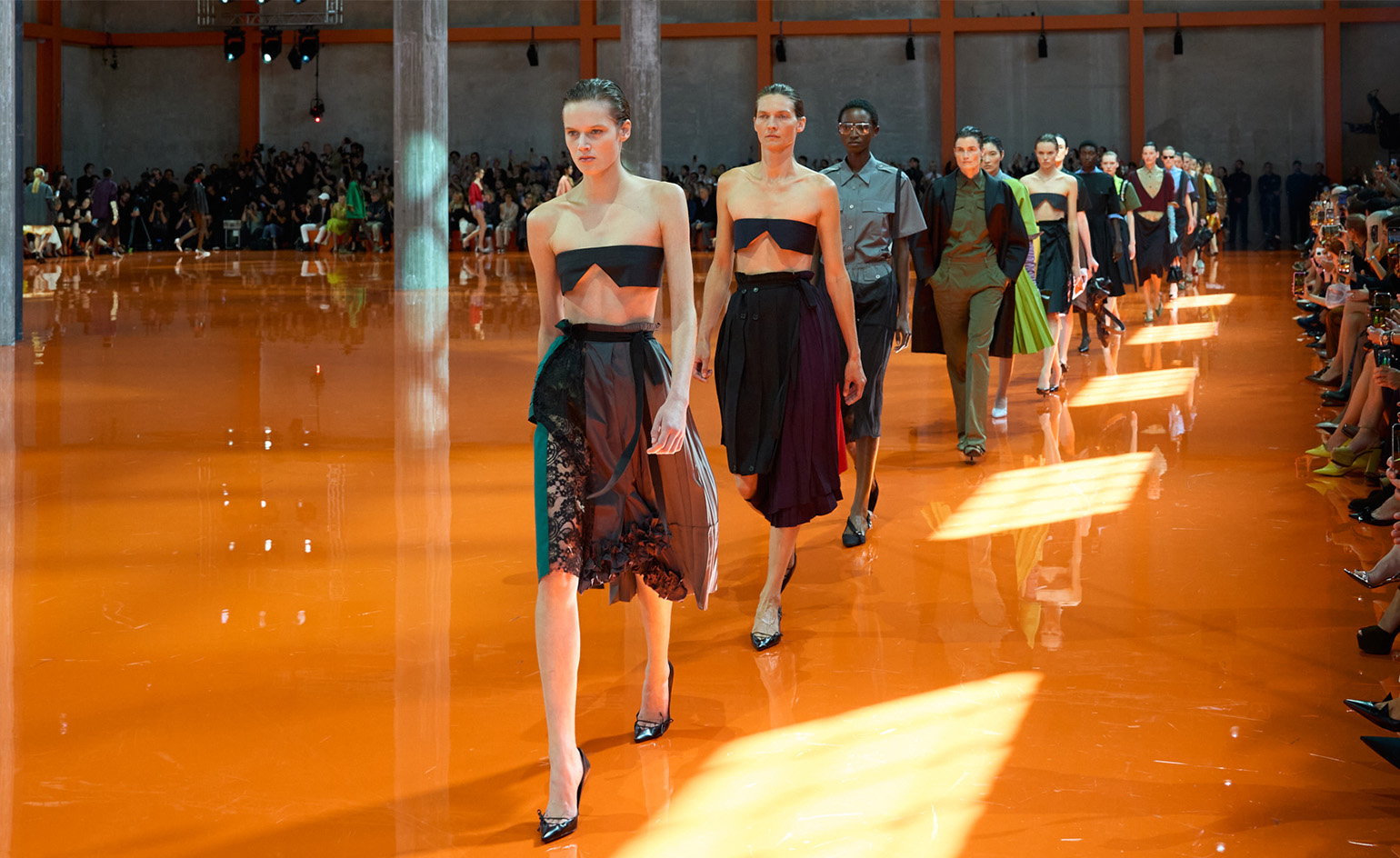
Milan Fashion House News 2026. Milan remains unrivaled as one of the world’s most influential fashion capitals, where heritage meets innovation and Italian craftsmanship meets global creativity.
In 2026, Milan’s seasonal fashion weeks — both Spring/Summer and Autumn/Winter — have delivered an exciting mix of timeless tailoring, bold experimentation, and evolving trends that reflect not just aesthetics, but cultural shifts and lifestyle reinventions.
From legacy houses like Armani and Prada to charismatic global talent on the front rows, this year’s Milan fashion scene offers a panoramic view of where fashion is heading next.
Let’s take a look at the latest news from Milan’s fashion houses, the standout collections that are shaping 2026, and the broader trends influencing designers and consumers alike.
Giorgio Armani’s New Chapter: A Legacy Reinvented
One of the biggest headlines of Milan Fashion Week 2026 came from Giorgio Armani, which debuted its first menswear collection following the death of its founder in September 2025. This emotionally charged show marked a symbolic turning point for the storied Italian house. The collection — dubbed “Cangiante” — was led by Leo Dell’Orco, Armani’s longtime collaborator, and celebrated the brand’s heritage while infusing it with a brighter, modern palette of iridescent jewel tones like purples and lapis blues. Velvet, cashmere, and richly textured wools played central roles in the lineup, while classic suits, bomber jackets, and belted trench coats received fresh, expressive reinterpretations. The collection was widely praised for maintaining Armani’s signature elegance while signaling forward momentum in the brand’s evolution.
The show also drew a star‑studded front row, featuring cultural icons and well‑known personalities — a testament to Armani’s continued influence across fashion and entertainment.
Prada Balances Heritage and Innovation
Prada’s Fall/Winter 2026 menswear show at Milan Fashion Week reaffirmed the brand’s role as a trendsetter. Co‑creative directors Miuccia Prada and Raf Simons presented a collection titled “Before and Next,” exploring evolution built on memory and modernity. The runway revisited historical motifs ranging from antiquity to Renaissance elements, layered into contemporary silhouettes emphasizing proportion and postural awareness. Long coats, utility‑inspired trenches, quilted leather jackets, and collage‑inspired prints bridged past and future — all under a theme of thoughtful reinvention.
Part of Prada’s appeal in 2026 lies in its balance of introspection and innovation — it doesn’t reject tradition, but reinterprets it with quiet confidence. Celebrity appearances, including K‑pop and global stars attending the show, also signaled Prada’s growing cultural pull beyond fashion circles.
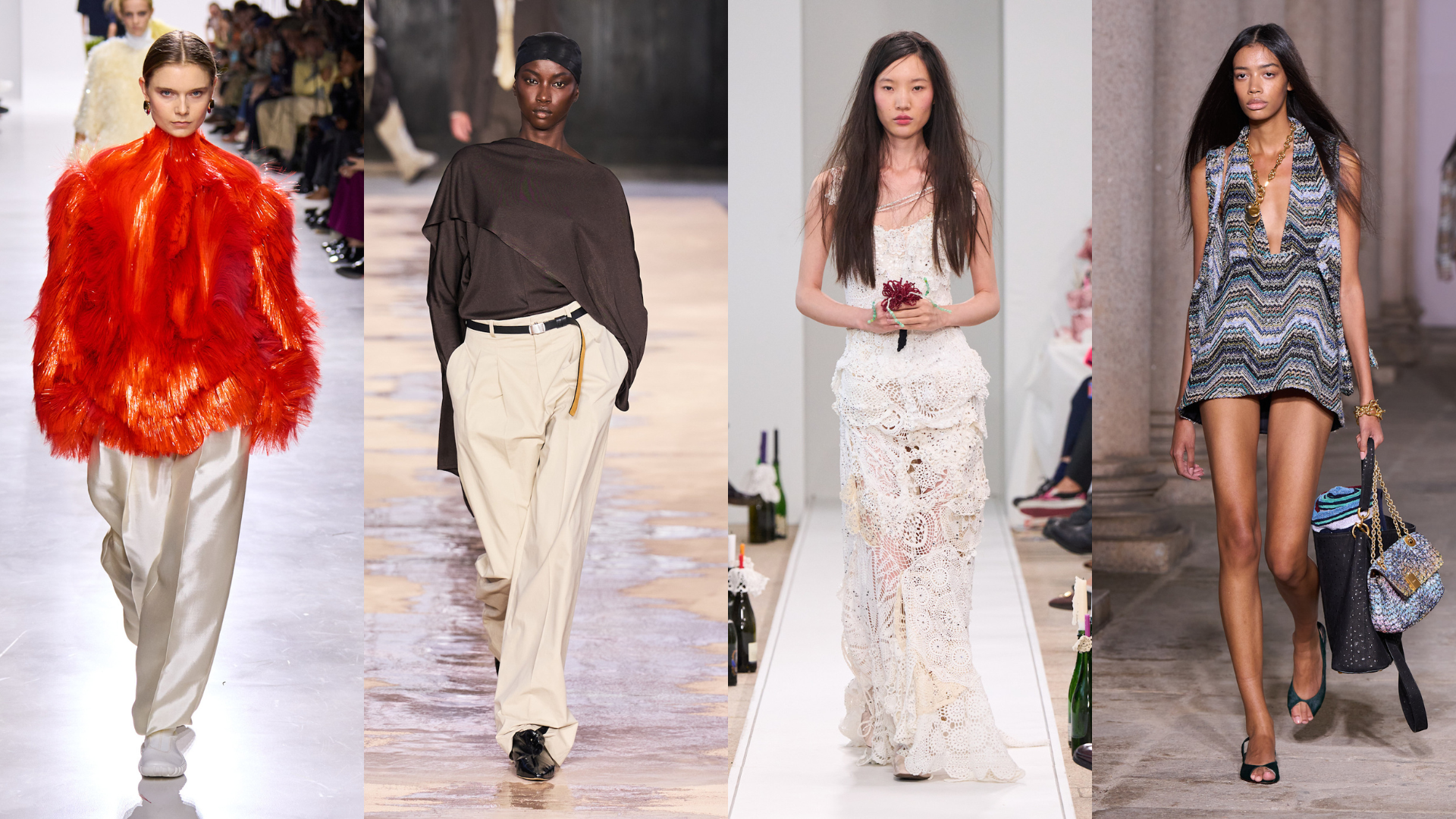
Menswear Momentum: Milan’s A/W 2026 Shows
Milan Fashion Week Men’s shows around the world, including fall previews in early 2026, brought notable momentum to menswear this season. Across multiple presentations, designers experimented with codes, fresh names, and renewed energy. Tailoring rooted in texture and timelessness stood alongside contemporary directional pieces that spoke to wearability and sophistication.
Retailers also chimed in on the season’s resonance, applauding strong fall collections from brands like Ralph Lauren, Prada, and Zegna — a sign that the market is responding well to classic yet bold reinterpretations of menswear staples.
Emerging and Recurring Trends from Milan Runways
1. Comfort Meets Structure
Across collections — from Prada to Zegna — designers played with the contrast between comfort and structure. There’s a clear push toward clothes that are both wearable and expressive, combining relaxed silhouettes with tailored craftsmanship. Elements like oversized coats, cozy layering, and soft woolens marked runway collections, reflecting a fashion climate where ease and refinement co‑exist.
This juxtaposition speaks to a broader mood across the industry: as the world becomes more fluid and hybrid in work and style, clothing is designed to adapt — ceremonial enough for office looks, yet comfortable enough for everyday life.
2. Imperfection and Transformative Aesthetics
A wave of imperfection as intentional design emerged at Milan shows, with brands like Prada and Qasimi embracing fabric manipulation that suggests wear, age, or rawness. Wrinkled coats, imperfect shirts, and deliberate distressed details signaled that perfection is evolving into expressive character on runway pieces, a theme resonating with modern consumers.
This theme also aligns with global sociocultural currents that celebrate authenticity and imperfection over polished minimalism alone.
3. Monochrome and Texture Play
The Spring/Summer 2026 runways highlighted another strong trend: monochrome dressing with textural depth. Leather, wool, lace, and tactile fabric combinations created looks that felt cohesive yet visually rich — whether at Fendi, Max Mara, or Bottega Veneta — and were echoed in street style outside the shows as celebrities and influencers embraced tonal looks elevated with texture.
This trend of head‑to‑toe color coordination, accented by material variation, reflected a broader emphasis on composition and harmony without reliance on bold prints alone.
4. Americana Prep and Youthful Heritage
Another standout shift — pulled in notably by Ralph Lauren’s Milan presence — was the return of Americana prep. Here, elements of U.S. collegiate styles — polos, crested blazers, and relaxed layering — were blended with classic Italian tailoring to produce a hybrid aesthetic that feels both familiar and contemporary.
Ralph Lauren’s Fall 2026 collection, for example, integrated traditional prep with expressive street influences, creating looks that feel both rooted in heritage and confidently fresh.
5. Dualities and Contrasts
Perhaps the most pervasive overall trend from Milan Fashion Week in 2026 was the concept of duality — where designers played with opposing forces like classic vs. modern, relaxed vs. structured, or comfort vs. precision. This contrast emerged across silhouettes, materials, and styling, offering fashion that is intellectually engaging and deeply wearable.
Beauty and Styling Trends
Fashion isn’t just about garments — makeup, hair, and accessories amplify the narrative. Milan runways for Spring/Summer 2026 revealed several beauty trends poised to influence editorial and commercial styling worldwide:
- Precise feline eyeliner flicks and luminous complexions — seen across Dolce & Gabbana and Bottega Veneta runways, where eyes became focal points.
- Slicked back and wet‑look hair — Prada and Tod’s highlighted hair gel‑inspired styling that feels both practical and striking.
- Romantic updos and vintage headwear references — from Max Mara’s poofy buns to elegant scarves at Giorgio Armani.
- Statement accessories — pearls, bold lips, and delicate jewellery served as focal points in several collections.
These beauty elements showed that Milan is anticipating a fusion of classic glamour and contemporary ease — with beauty enhancing fashion narratives in cohesive and expressive ways.
Celebrity Influence and Street Style Energy
Milan’s runway moments aren’t confined to the catwalk; the front rows and street style scenes have become fashion moments in their own right. Celebrities including Jung Haein at Dolce & Gabbana and Karina of aespa at the Prada show underscored Milan’s global reach and cultural resonance this season.
International personalities, fashion influencers, and high‑profile guests add layers of visibility and cross‑cultural dialogue to the fashion narrative — pushing Milan’s impact far beyond the Italian streets into social media and global cultural discourse.
Emerging Voices and Evolution of Italian Fashion Houses
While legacy brands like Prada and Armani dominate, Milan Fashion Week 2026 also highlighted emerging voices and innovative narratives. Smaller houses and avant‑garde designers contributed fresh perspectives — exploring themes of transformation, whimsy, and the intersection of fashion and personal identity.
For example, Fiorucci’s playful collection celebrated urban fantasy with cartoon‑inspired visuals, while conceptual designers used Milan’s runway as a platform for powerful symbolic storytelling.
This diversification of voices reflects Milan’s dynamism as a fashion capital: tradition remains revered, but experimentation and narrative risk‑taking are welcomed.
What These Fashion Moments Tell Us About 2026
The fashion unfolding in Milan this year points to several broader industry movements that extend beyond runway aesthetics:
1. Wearability Is Crucial
Designers increasingly prioritize garments that look artistic on the runway but feel wearable in real life — a trend that resonates with consumer demand for stylish yet functional wardrobes.
2. Heritage Is Continually Reimagined
Italian fashion history remains a rich source of inspiration, but heritage codes are being reshaped with richly personal and contemporary interpretations.
3. Sustainability and Individual Expression
While not always overt, an undercurrent of sustainability — through mindful material choices and enduring design — informs many collections, marrying ethical fashion ideals with high‑end craftsmanship.
Conclusion: Milan’s Enduring Influence in 2026
Milan Fashion Week 2026 wasn’t just a series of shows — it was a global fashion conversation that balanced legacy, innovation, expression, and wearability. From Prada’s thoughtful reinvention to Armani’s emotional new chapter, from bold street influences to nuanced runway beauty, this season encapsulated a fashion moment that feels dynamic, reflective, and forward‑thinking.
Whether you’re a fashion professional, a consumer of style, or simply captivated by sartorial expression, Milan’s 2026 fashion landscape underscores one truth: the city remains at the forefront of defining what fashion means today — and where it’s going tomorrow.
More Stories
Fashion 2026: The Radical Trends Shaping Your Wardrobe
Unleashing Your Brand’s Soul: Crafting Inspiration That Resonates
Future-Proof Your Play: Crafting Trend-Strategy That Outsmarts the Curve