


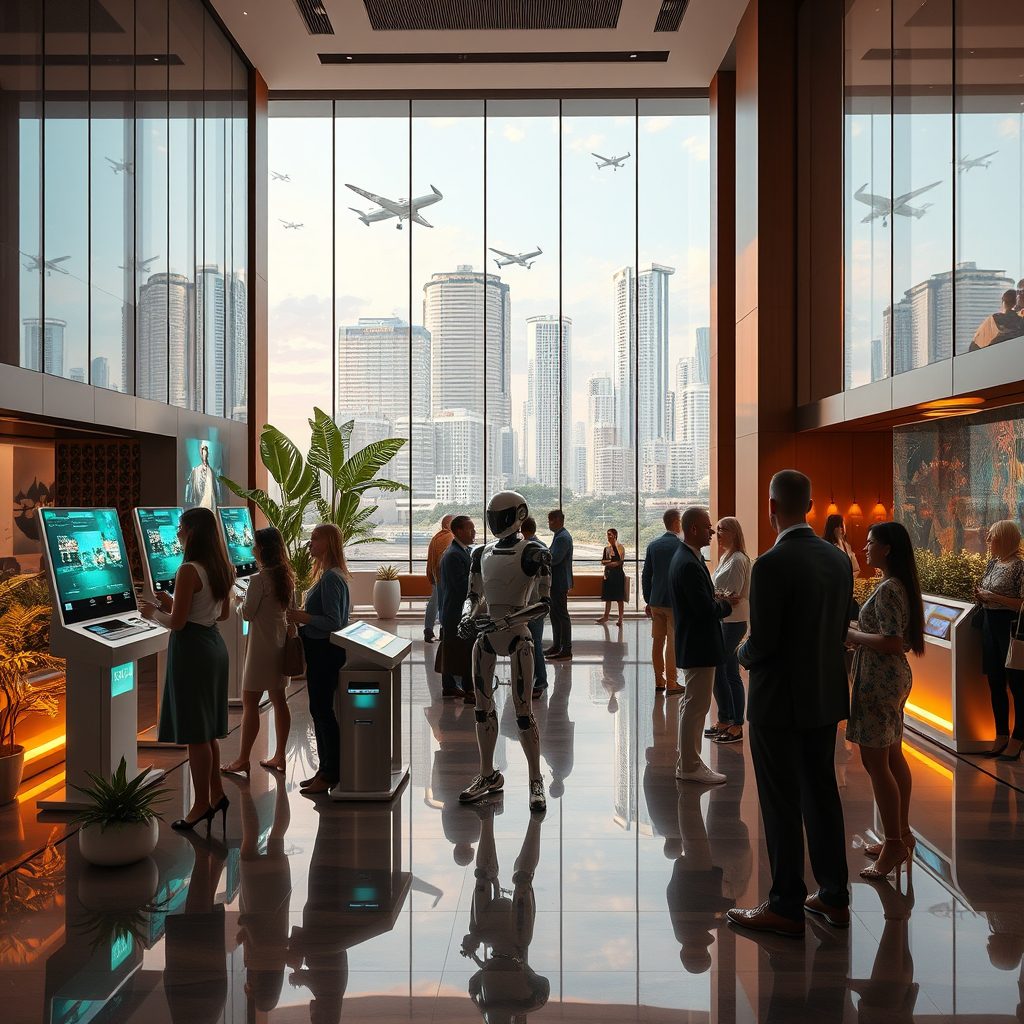
Planning a trip in 2026 means rethinking how you choose hotels and accommodations. The travel industry is evolving faster than ever, with new trends shaping where we stay, how we book, and what we expect from our lodging experiences. Whether you’re a budget backpacker, a luxury seeker, or a remote worker looking for a long-term stay, understanding the latest shifts in hotels and accommodations for 2026 will help you make smarter, more satisfying choices. From sustainability initiatives to tech-driven conveniences, the future of travel is here—and it’s more exciting than ever.
Furthermore, travelers are no longer just looking for a place to sleep. They want immersive experiences, seamless connectivity, and accommodations that align with their values. In 2026, the line between hotels and local culture will blur even further, with properties offering curated activities, hyper-personalized services, and eco-conscious designs. Next, we’ll dive into the key trends defining the industry and how you can leverage them to enhance your next trip.
What Are the Biggest Trends in Hotels & Accommodations for 2026?
Travelers in 2026 will notice several standout trends reshaping the hospitality landscape. One of the most significant is the rise of “bleisure” travel, where business and leisure trips merge. Hotels are responding by designing spaces that cater to both work and relaxation, with co-working lounges, high-speed internet, and flexible check-in/check-out times. In fact, a recent surge in demand shows that over 60% of business travelers now extend their trips for personal enjoyment, pushing hotels to adapt quickly.
In addition, sustainability is no longer a niche concern—it’s a non-negotiable for many travelers. Hotels and accommodations for 2026 are prioritizing eco-friendly practices, from eliminating single-use plastics to sourcing locally grown food. Some properties are even achieving net-zero carbon emissions, a trend that’s expected to grow by 45% in the next two years. For eco-conscious travelers, this means more options to stay guilt-free while exploring the world.
However, it’s not just about green initiatives. Technology is playing a pivotal role in transforming the guest experience. Contactless check-ins, AI-powered concierge services, and smart rooms with voice-activated controls are becoming standard. Imagine walking into your hotel room and adjusting the lighting, temperature, and even ordering room service—all with a simple voice command. These innovations aren’t just convenient; they’re redefining what it means to stay in hotels and accommodations for 2026.
How Is AI Changing the Way We Book and Experience Hotels?
Artificial intelligence is revolutionizing the way travelers discover and book hotels. In 2026, AI-driven platforms will offer hyper-personalized recommendations based on your past stays, preferences, and even your social media activity. These systems analyze vast amounts of data to suggest accommodations that match your unique needs, whether you’re looking for a pet-friendly boutique hotel or a family-friendly resort with kid-friendly amenities.
Moreover, AI is enhancing the in-stay experience. Chatbots and virtual assistants are available 24/7 to answer questions, make reservations, or provide local tips. Some hotels are even using AI to predict guest needs before they arise. For example, if you typically order coffee in the morning, your room’s AI assistant might prepare it for you before you even wake up. This level of personalization ensures that every stay feels tailored to you.
What Types of Accommodations Are Gaining Popularity in 2026?
The definition of accommodations is expanding beyond traditional hotels. In 2026, travelers are increasingly opting for alternative lodging options that offer unique experiences. One standout trend is the rise of “micro-stays,” where guests book short-term accommodations for just a few hours. This is ideal for travelers with long layovers, digital nomads needing a quick workspace, or anyone looking to freshen up between destinations. Micro-stays are projected to grow by 30% in the next year, reflecting the demand for flexibility and convenience.
Next, co-living spaces are gaining traction, especially among younger travelers and remote workers. These accommodations blend the comfort of a private room with the community feel of a shared space. They often include communal kitchens, workspaces, and social events, making them perfect for solo travelers looking to connect with others. In cities like Lisbon, Berlin, and Tokyo, co-living spaces are becoming a staple for those seeking affordability and camaraderie.
Furthermore, glamping—glamorous camping—continues to rise in popularity. In 2026, expect to see more eco-friendly domes, treehouses, and luxury tents in breathtaking natural settings. These accommodations offer the perfect blend of adventure and comfort, allowing travelers to immerse themselves in nature without sacrificing modern amenities. With a 25% increase in bookings over the past year, glamping is no longer a niche trend but a mainstream choice for travelers seeking unique experiences.
Why Are Boutique Hotels Dominating the Travel Scene?
Boutique hotels are capturing the hearts of travelers who crave authenticity and character. Unlike chain hotels, boutique properties offer intimate, design-forward spaces that reflect the local culture and history. In 2026, these hotels are taking personalization to the next level, with curated experiences like private art tours, cooking classes with local chefs, and bespoke itineraries tailored to your interests.
In addition, boutique hotels are often more sustainable than their larger counterparts. Many are housed in repurposed buildings, such as historic mansions or industrial warehouses, reducing their environmental impact. They also tend to source locally, supporting nearby businesses and reducing their carbon footprint. For travelers who value uniqueness and sustainability, boutique hotels are the ideal choice.
How Can You Find the Best Deals on Hotels & Accommodations for 2026?
Scoring the best deals on hotels and accommodations for 2026 requires a mix of strategy and flexibility. One of the most effective ways to save is by booking during off-peak seasons. For example, traveling to Europe in January or February can cut costs by up to 50% compared to summer rates. Additionally, consider booking mid-week stays, as weekends are often more expensive due to higher demand.
Next, leverage loyalty programs and membership discounts. Many hotel chains offer exclusive rates to members, along with perks like free upgrades, late check-outs, and complimentary breakfast. If you’re a frequent traveler, joining these programs can lead to significant savings over time. Some credit cards also offer travel rewards, allowing you to earn points for every dollar spent on accommodations.
However, don’t overlook alternative booking platforms. Websites and apps specializing in last-minute deals or flash sales can offer steep discounts on unsold inventory. For example, some platforms provide up to 60% off luxury hotels when you book within 48 hours of your stay. Just be sure to read the fine print, as these deals often come with non-refundable policies.
What Should You Look for in a Hotel or Accommodation for 2026?
Choosing the right accommodation in 2026 goes beyond price and location. Start by considering your priorities. Are you looking for a quiet retreat, a social hub, or a tech-savvy space? If you’re a remote worker, prioritize properties with reliable Wi-Fi, ergonomic workspaces, and business centers. For families, look for hotels with kid-friendly amenities like pools, play areas, and babysitting services.
In addition, pay attention to the hotel’s commitment to sustainability. Many properties now display eco-certifications or provide details about their green initiatives. If reducing your environmental impact is important to you, opt for accommodations that align with your values. This could mean choosing a hotel with solar panels, water conservation efforts, or a zero-waste policy.
Finally, read reviews from recent guests to get a sense of the property’s strengths and weaknesses. Look for consistent feedback on cleanliness, service, and overall experience. Keep in mind that a few negative reviews are normal, but a pattern of complaints should raise red flags. By doing your research, you can ensure that your stay meets—or exceeds—your expectations.
What Does the Future Hold for Hotels & Accommodations Beyond 2026?
The future of hotels and accommodations is bright, with innovation driving the industry forward. One exciting development is the integration of virtual reality (VR) into the booking process. Imagine taking a virtual tour of your hotel room before you book, or exploring the surrounding neighborhood from the comfort of your home. VR technology will make it easier than ever to choose accommodations that match your preferences.
Furthermore, the concept of “smart cities” will influence how hotels operate. In urban areas, hotels will integrate seamlessly with public transportation, local attractions, and even other accommodations. For example, you might be able to use a single app to book your hotel, plan your itinerary, and access exclusive discounts at nearby restaurants and museums. This level of connectivity will make travel more convenient and enjoyable.
In addition, the rise of wellness tourism will shape the future of accommodations. Hotels are increasingly offering wellness-focused amenities like yoga studios, meditation spaces, and spa services. Some properties are even partnering with wellness retreats to provide immersive experiences, such as digital detox programs or sleep optimization workshops. As travelers prioritize health and well-being, these offerings will become a staple in hotels and accommodations for 2026 and beyond.
FAQ: Hotels & Accommodations for 2026
What Are the Most Affordable Accommodation Options for 2026?
For budget-conscious travelers, hostels, co-living spaces, and micro-stays offer the most affordable options. Hostels provide dormitory-style rooms at a fraction of the cost of traditional hotels, while co-living spaces offer private rooms with shared amenities. Micro-stays are ideal for short-term needs, such as layovers or quick work sessions, and often cost less than $50 per hour. Additionally, booking platforms specializing in last-minute deals can help you find discounted rates on hotels and vacation rentals.
How Can I Ensure My Hotel Stay Is Eco-Friendly in 2026?
To ensure your hotel stay is eco-friendly, look for properties with recognized sustainability certifications, such as LEED or Green Key. These hotels often implement practices like energy-efficient lighting, water conservation, and waste reduction. You can also reduce your environmental impact by reusing towels, avoiding single-use plastics, and opting for accommodations that source locally. Many hotels now provide information about their green initiatives on their websites, making it easier to choose responsibly.
What Are the Best Hotels for Digital Nomads in 2026?
The best hotels for digital nomads in 2026 offer reliable Wi-Fi, comfortable workspaces, and flexible check-in/check-out times. Look for properties with co-working lounges, business centers, and ergonomic furniture to support productivity. Some hotels even offer long-term stay discounts, making them ideal for remote workers. Popular destinations for digital nomads include cities like Bali, Lisbon, and Mexico City, where you’ll find a mix of affordable and luxury options tailored to your needs.
As you plan your travels in 2026, keep these trends and tips in mind to make the most of your hotel and accommodation choices. Whether you’re seeking luxury, sustainability, or affordability, the future of travel offers something for everyone. By staying informed and flexible, you can ensure that every trip is memorable, comfortable, and perfectly suited to your preferences.
More Stories
Is Traveling in 2026 the Ultimate Adventure of a Lifetime?
The Ultimate Guide to Crafting Your Dream Adventure: Unforgettable Travel Planning Secrets
Journey Beyond 2026: Uncharted Horizons Await